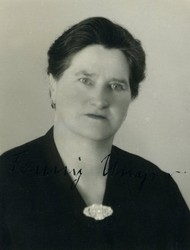
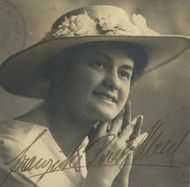
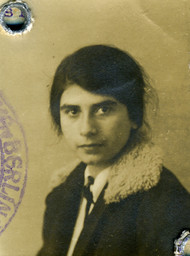
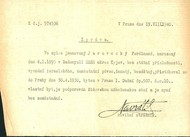
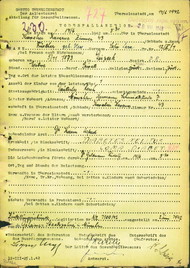
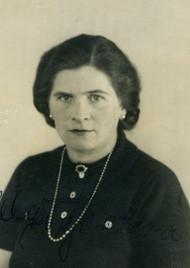
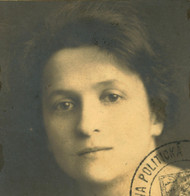
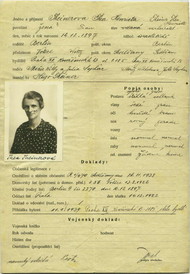

Eine jüdische Familie aus Pinsk, ca. 1920. (Foto: USHMM)
Im Laufe seiner Geschichte gehörte die Stadt Pinsk zu drei verschiedenen Ländern. Jüdinnen und Juden ließen sich hier ab dem 15. Jahrhundert nieder. Der erste schriftliche Beleg ihrer Präsenz vor Ort stammt aus dem Jahre 1506. Bis zum Beginn des Zweiten Weltkrieges stellten sie die Mehrheit der Bevölkerung (70 %). Einige bedeutsame chassidische Dynastien stammen aus Pinsk und zu seiner Zeit war es auch ein wichtiges Zentrum der Haskala.
Nach dem Ersten Weltkrieg war die Stadt Teil Polens, ab September 1939 gehörte es zur Sowjetunion. Am 4. Juni 1941 wurde die Stadt von Nazi-Truppen besetzt und wurde Teil des östlichen Gebietes des Dritten Reichs. Die Nazis ordneten die Bildung eines „Judenrates“ mit 28 Mitgliedern an. Er stand unter der Leitung von David Alper.
Am 5. August 1941 wurden 8 000 Männer im Alter von 16 bis 60 Jahren, unter dem Vorwand, sie sollten die Eisenbahngleise erneuern, zusammengezogen. Darunter befanden sich auch die meisten Mitglieder des „Judenrats“. Sie wurden in einen 4 km entfernten Wald, in der Nähe des Dorfes Ivaniki, gebracht, wo sie erschossen und in vorbereitete Gräber geworfen wurden. Zwei Tage später traf die ca. 3 000 verbliebenen Männer, darunter auch alte Männer und Jungen, dasselbe Schicksal.
Am 1. Mai 1942 wurde für die übrig gebliebenen jüdischen Einwohnerinnen und Einwohner ein Ghetto gegründet. Die 20 000 verbliebenen Jüdinnen und Juden, hauptsächlich Witwen und Kinder der bereits ermordeten Männer, wurden in einen einzigen Bezirk der Stadt gezwängt. Große Zahlen von Häftlingen lebten in kleinen Räumen mit unzulänglichen sanitären Einrichtungen zusammen. Die meisten Ghettobewohnerinnen und -bewohner mussten Zwangsarbeit in der Landwirtschaft und in Fabriken leisten.
Ende Oktober 1942 – weniger als sechs Monate nach seiner Gründung – beschloss Heinrich Himmler trotz des wirtschaftlichen Potentials des Ghettos dessen Auflösung. Im Laufe der nächsten Tage, vom 29. Oktober bis zum 1. November, brachten die Nazis den Großteil der Ghettobewohner in die Wälder unweit des nahe gelegenen Dorfes Dobrovolie, und erschossen ihre Gefangenen. Nur 143 Häftlinge arbeiteten weiterhin bis Dezember 1942 in den Werkstätten, danach wurden auch sie ermordet.
Die Stadt wurde am 14. Juni 1944 von der Roten Armee befreit.
Im Jahre 1994 wurden Listen gefunden, die die Namen, Geburtsdaten, Wohnadressen im Ghetto und Beschäftigungen von 17 344 Pinsker Häftlingen enthalten.
 Drucken